

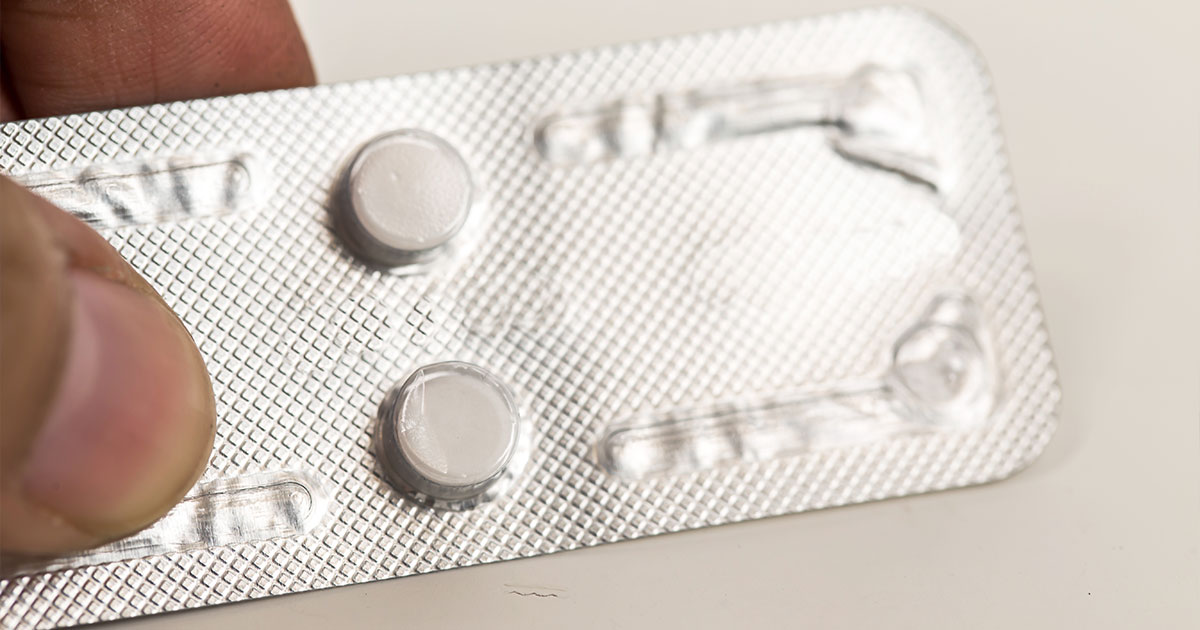
If you’re facing an unexpected pregnancy, you may have questions about Plan B, the abortion pill, and what options are available to you. Although these medications are sometimes confused, they serve different purposes. Understanding how they work, when they can be used, and what to know before taking them can help you make an informed decision about your next steps.
Is Plan B the Same Thing as the Abortion Pill?
No. Plan B and the abortion pill are different medications designed for different purposes.
Plan B (emergency contraception) is used after unprotected sex or contraceptive failure to help prevent pregnancy before it occurs. It contains levonorgestrel, a hormone that primarily works by delaying or preventing ovulation. Plan B does not end an existing pregnancy and is not an abortion medication.
The abortion pill (Plan C) refers to medications used to end an established pregnancy. A common regimen uses two medications: mifepristone and misoprostol. Mifepristone blocks progesterone, a hormone needed to sustain pregnancy, while misoprostol causes the uterus to contract and empty.
The main difference between the two is the timing and purpose: Plan B helps prevent pregnancy, while the abortion pill ends an existing pregnancy.
What To Know Before Taking The Abortion Pill
If you think you may be pregnant and are considering taking the abortion pill, it is important to understand how the abortion pill works and what to consider before taking any medication.
1. Confirm Your Pregnancy
A missed period or a positive home pregnancy test may indicate pregnancy, but an ultrasound can provide additional information. An ultrasound helps determine whether a pregnancy is located in the uterus and estimate how far along it is.
This information is important when evaluating your options and determining what additional medical care may be needed as there are certain medical conditions such as ectopic pregnancies (pregnancies located outside the uterus) the abortion pill can’t treat. Since a pregnancy test alone cannot determine where a pregnancy is located, an ultrasound is an important next step if you’re considering the abortion pill.
2. Know Your State’s Abortion Laws
Every state has different laws regarding abortion access and gestational limits. Understanding yours is an important first step to determining your available options. In Florida, the gestational limit is 6 weeks. You can find your state’s gestational limits by going here (last updated March of 2026). Because abortion laws are subject to change, it is important to verify your state’s current laws before seeking abortion pills.
3. Understand How the Abortion Pill Works
The abortion pill typically involves two medications: mifepristone and misoprostol. Each medication has a different role in ending a pregnancy. Mifepristone is usually taken first. It blocks progesterone, a hormone that helps maintain the uterine lining and supports a developing pregnancy. By blocking this hormone, mifepristone stops the pregnancy from continuing to develop. Misoprostol is typically taken 24 to 48 hours after mifepristone, according to the prescribed regimen. It causes the uterus to contract and the cervix to open, allowing pregnancy to pass through the vagina.
Together, these medications work to end the pregnancy and empty the uterus.
4. Know the Potential Risks and Warning Signs
Before taking the abortion pill, it’s important to understand the side effects. These may include heavy bleeding, infection, an incomplete abortion, or an ongoing pregnancy.
Seek urgent medical care for severe or persistent abdominal pain, fainting, difficulty breathing, or heavy bleeding. A commonly used warning threshold is soaking through two full-size menstrual pads per hour for two consecutive hours. Follow the instructions provided by your healthcare professional and seek care sooner if you feel seriously unwell.
Severe one-sided abdominal pain, shoulder-tip pain, dizziness, or fainting can also be signs of an ectopic pregnancy, which requires urgent medical evaluation. Abortion pills do not treat an ectopic pregnancy.
Get A Free Pre-Abortion Screening With Aspire Women’s Clinic
Are you pregnant and unsure what to do next? Start by confirming your pregnancy with a free pregnancy test and ultrasound at Aspire Women’s Clinic. Our team of registered nurses and sonographers is here to help you understand your pregnancy, answer your questions, and connect you with resources to help you make an informed decision about your next steps.
You do not have to navigate an unexpected pregnancy alone. Schedule an appointment online or call Aspire Women’s Clinic to schedule a free pregnancy and pre-abortion screening and learn more about the resources available to you.

